




Over the past six weeks, this series has examined the forces shaping Lewis County’s economic future, our location, transportation assets, energy needs, workforce evolution, and infrastructure readiness.
Each topic stands on its own, but together they point toward a larger conclusion: reviving our county is not the result of a single project or decision, but of sustained, informed effort.
Too often, discussions about economic development focus on announcements rather than preparation. Communities wait for a transformative employer or a defining investment, only to find that opportunity arrives quietly or not at all. In practice, revival is built gradually through planning, coordination, and a clear understanding of what a community can offer and what it needs to strengthen.
Lewis County begins this conversation with real advantages. Our geography connects us to regional and national markets. Our transportation network offers options that many rural areas lack.
Our workforce carries practical skills and a tradition of reliability. These are not abstract qualities. They are measurable factors that influence whether companies choose to invest.
Energy and infrastructure have emerged as recurring themes because they underpin nearly every other consideration. Reliable power, scalable systems, and long-term planning signal readiness.
They tell outside partners that a community understands modern requirements and is prepared to meet them. At the same time, these investments directly affect residents’ daily lives, shaping affordability, reliability, and quality of life.
Reviving Lewis County will ultimately be defined locally. It may involve manufacturing, technology, logistics, or industries not yet envisioned. It may arrive incrementally rather than all at once.
The specific outcomes matter less than the approach itself: thoughtful, realistic, and grounded in long-term priorities rather than short-term reaction.
A community conversation means engaging with these issues openly and without preconceptions. It means acknowledging past losses without allowing them to limit future possibilities.
It means asking not only what opportunities we want, but what preparations those opportunities require. Such discussions are rarely simple, but they are necessary.
The closure of the US Shoe factory marked a turning point in Lewis County’s history. The next turning point need not be defined by loss. With informed choices, steady planning, and collective engagement, it can be defined by resilience and revival.
That outcome will not come from any single voice or column, but from a shared commitment to understanding where we are and where we want to go.
Your perspective matters. Residents, business owners, and community leaders all see the county in different ways, and every viewpoint helps shape a clearer picture of what Lewis County can become.
What opportunities do you see? What challenges concern you most? What ideas do you have for ensuring a stronger, more resilient future for our families and neighborhoods?
From those with generations of local experience to those who have resided here for a short time, all opinions and perspectives matter.
-30-
About the Author
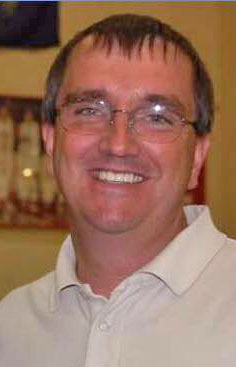
Sam Howard is a construction executive and economic development professional with more than 30 years of experience in the building and infrastructure sectors.
He serves as Chief Executive Officer of Trace Creek Construction, Inc., overseeing company operations, financial management, and long-term strategy. The firm specializes in design-build construction, construction management, and pre-engineered building systems, with completed projects across the public and private sectors, including schools, hospitals, churches, judicial facilities, detention centers, and industrial developments.
Howard also serves as Managing Member and Economic Development Manager for Northeast Kentucky Development, where he works to attract new and expanding industries to the region. In that role, he is directly involved in project development, site promotion, and financing strategies, including design-build leaseback models. His work brings him into regular collaboration with local and state officials, business leaders, and community stakeholders.
Howard’s focus is on job creation, infrastructure development, and strengthening the long-term economic vitality and quality of life in Northeast Kentucky.
Editor’s Note: This column is the seventh part of a guest series authored by Sam Howard, published by The Lewis County Herald as a forum for examining ideas and opportunities related to Lewis County’s future. Howard is the primary author of the series, and the views expressed are his own. I am hosting the series and collaborating in the presentation for Herald readers. Sam and I are lifelong friends, and I have confidence in his vision for Lewis County and in the value of thoughtful discussion about where our county is headed. Readers are encouraged to follow the series and engage in the conversation as it continues.
— Dennis Brown
Please send Letters to the Editor to 336 Lions Lane, Vanceburg, KY 41179 or email them to dennis@lewiscountyherald.com.