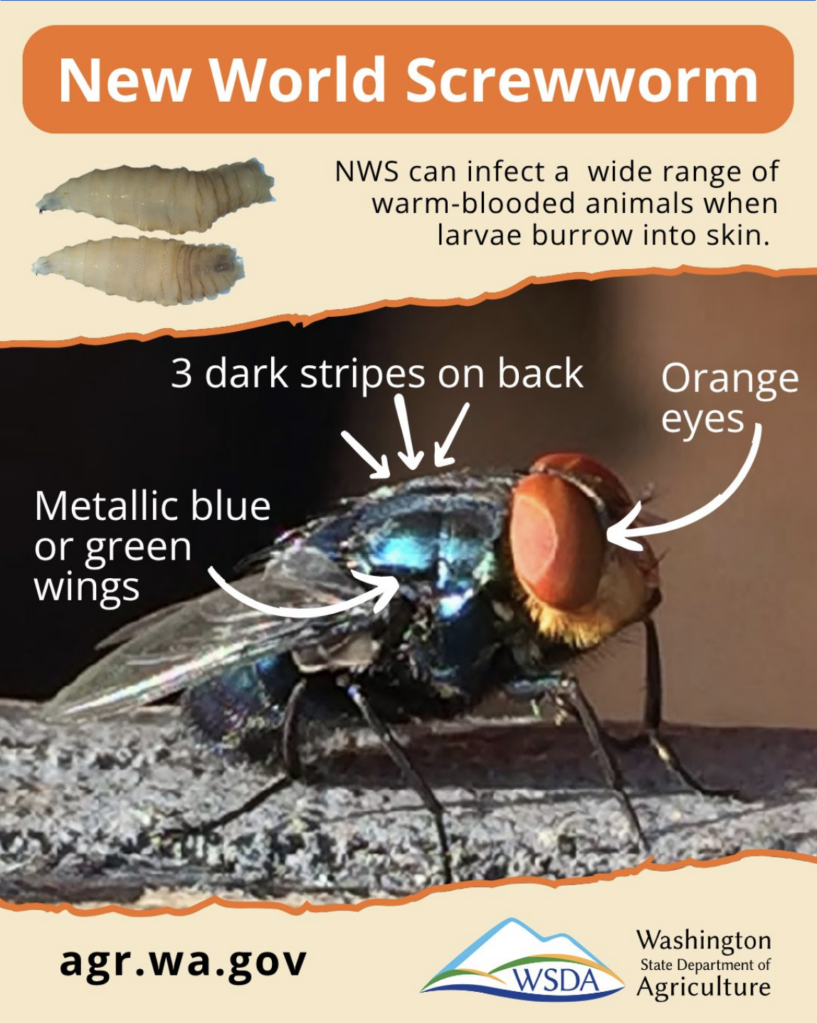



Kentucky livestock and animal health officials remain on alert after federal authorities confirmed additional cases of New World Screwworm in Texas and the first confirmed case outside the state, raising concerns about the spread of the flesh-eating parasite that was eradicated from the United States decades ago.
The U.S. Department of Agriculture now reports five confirmed cases of New World Screwworm, including three calves and a goat in Texas and a dog in neighboring New Mexico.
The first two cases were confirmed last week in calves found a few miles apart in South Texas. On Monday, the USDA announced additional detections involving a calf in La Salle County, Texas; a goat in Gillespie County, Texas; and a dog in Lea County, New Mexico.
Federal officials initially identified the dog as a Texas case before determining the animal resided in New Mexico. The animal’s travel history remains under investigation.
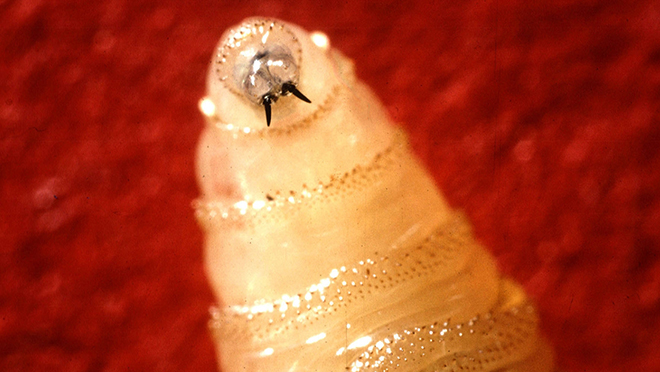
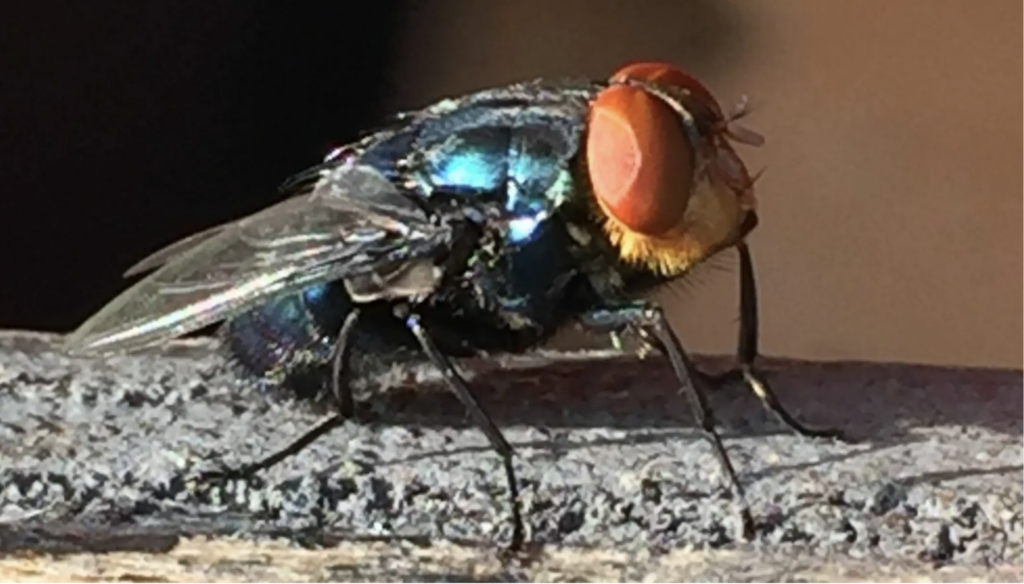
New World Screwworm is a flesh-eating parasite whose larvae feed on living tissue. Unlike common maggots that feed on dead tissue, screwworm larvae burrow into wounds and can cause severe injury, infection, and death if left untreated. The pest can affect cattle, horses, sheep, goats, swine, pets, wildlife, and, in rare cases, humans.
Female flies deposit eggs in wounds or natural body openings. Once hatched, the larvae feed on living tissue and enlarge the wound as they develop.
As additional cases have been identified, USDA and Texas animal health officials have expanded response efforts in the affected region.
According to federal officials, approximately 75 personnel are now involved in surveillance, treatment, trapping, and eradication operations. Quarantine and surveillance zones have been established around confirmed detections, and aerial releases of sterile flies are underway in South Texas.
The sterile fly program was used to successfully eradicate New World Screwworm from the United States in 1966 and remains the primary tool for eliminating outbreaks. (An outbreak was reported in the Florida Keys in September 2016, affecting wild deer, and was contained by early 2017.)
USDA officials say millions of sterile flies are being released to disrupt the parasite’s reproductive cycle and prevent it from becoming established.
Kentucky’s emergency movement requirements for certain livestock entering the Commonwealth from Texas remain in effect through at least Aug. 1.
The Kentucky Department of Agriculture’s Office of the State Veterinarian requires livestock entering Kentucky from Texas to have a Kentucky permit number, a current Certificate of Veterinary Inspection, and documentation certifying the animals are free of clinical signs of screwworm infestation.
Additional monitoring and inspection requirements apply after animals arrive in Kentucky.
Kentucky agriculture officials continue encouraging producers, horse owners, and veterinarians to closely inspect animals for signs of possible infestation.
Warning signs include:
• Maggots present in wounds.
• Enlarging or draining wounds.
• Foul odors.
• Excessive irritation or unusual behavior.
• Head shaking.
• Animals that become isolated, depressed, or stop eating.
Special attention should be given to newborn navels, ear tag sites, branding locations, surgical wounds, castration sites, tick bites and other skin injuries where infestations can begin.
There are currently no reported cases of New World Screwworm in Kentucky.
Officials continue to stress that the parasite represents an animal health concern rather than a food safety issue. Screwworms do not infest meat, poultry, dairy products, fruits, or vegetables, and affected animals would be identified through animal health inspection systems before entering the food supply.
Kentucky’s cattle industry, horse industry, and other livestock sectors are being encouraged to remain vigilant as federal and state officials work to contain the outbreak.
Livestock owners who observe suspicious wounds, maggot infestations, or other signs of possible screwworm infection are urged to contact their veterinarian immediately and report concerns to animal health officials.
Questions regarding animal movement requirements may be directed to the Kentucky Department of Agriculture’s Office of the State Veterinarian.
Additional information about New World Screwworm, including maps, identification resources, and updates on the federal response, is available at www.screwworm.gov.
While no cases have been reported in Kentucky, agriculture officials say early detection and rapid reporting remain the state’s best defense against the parasite.
If you observe a possible infestation in livestock, report it to the Kentucky Department of Agriculture. For suspected infestations in pets, contact your veterinarian.
-30-